Popular Chemical Treatments of the Common 7 Insects Found in Cucumber Cultivation.


Cucumber crops are highly vulnerable to insect attacks throughout the growing season. If pests are not controlled early, they can reduce plant growth, damage fruits, spread diseases, and lower overall yield.
Chemical Treatments of the Common Insects Found in Cucumber Cultivation, which we are discussing here. Along with cultural and biological control methods, chemical treatments are sometimes necessary when infestations become severe.
Farmers should always use pesticides responsibly and follow label recommendations, waiting periods, and safety precautions. Below are the major insect pests found in cucumber cultivation, along with their symptoms and recommended chemical treatments.
Aphids
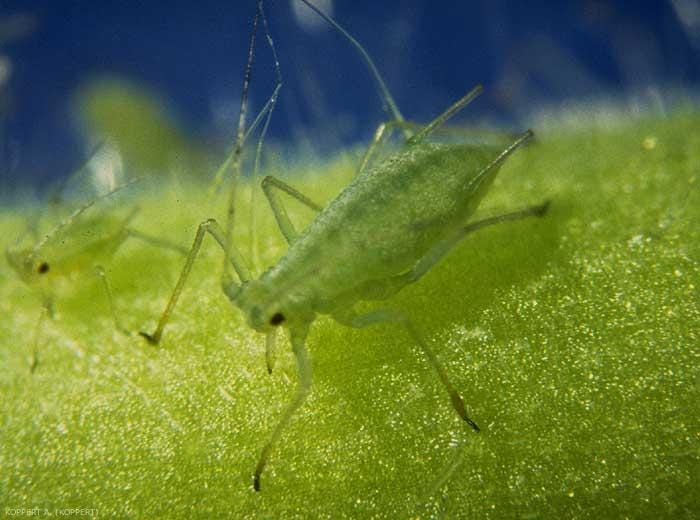
Aphids are small sap-sucking insects that usually attack the tender parts of cucumber plants. They multiply rapidly in warm weather and weaken plants by sucking nutrients from leaves and stems.


Damage Symptoms
- Curled and yellow leaves
- Sticky honeydew secretion
- Black sooty mould formation
- Stunted plant growth
Chemical Treatments
- Spray Imidacloprid 17.8% SL @ 0.3 ml per litre of water
- Spray Thiamethoxam 25 WG @ 0.25 g per litre
- Spray Acetamiprid 20 SP @ 0.2 g per litre
Precautions
- Spray during early morning or evening
- Avoid repeated use of the same chemical
- Follow the proper waiting period before harvesting
2. Red Pumpkin Beetle
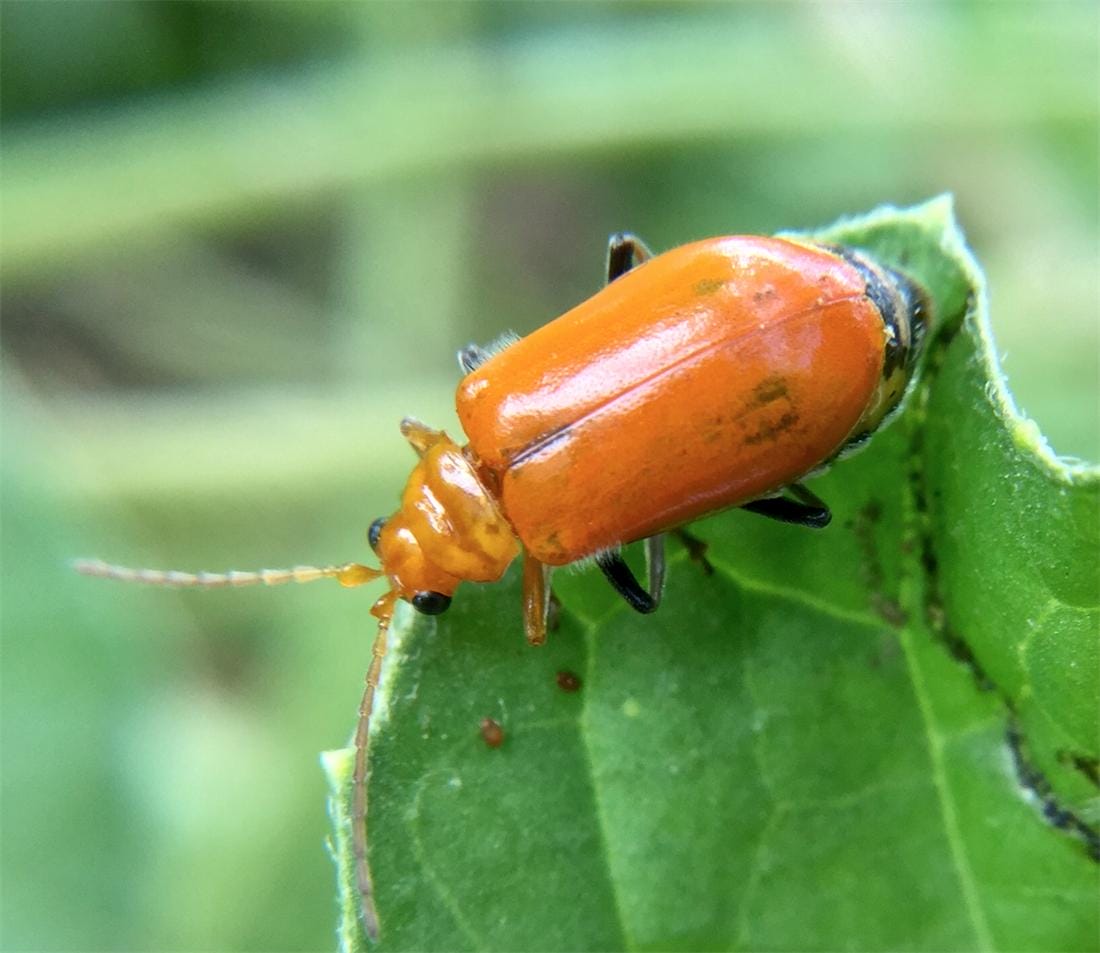
Red pumpkin beetles attack seedlings, leaves, and flowers. Severe infestation can completely destroy young cucumber plants.
Damage Symptoms
- Round holes in leaves
- Damaged flowers and fruits
- Weak seedling growth
- Reduced fruit setting
Chemical Treatments
- Spray Chlorpyrifos 20 EC @ 2 ml per litre
- Spray Cypermethrin 25 EC @ 1 ml per liter
- Spray Lambda-Cyhalothrin 5 EC @ 0.5 ml per litre
Precautions
- Spray at the early crop stage for better control
- Avoid spraying during flowering when bees are active
3. Fruit Fly
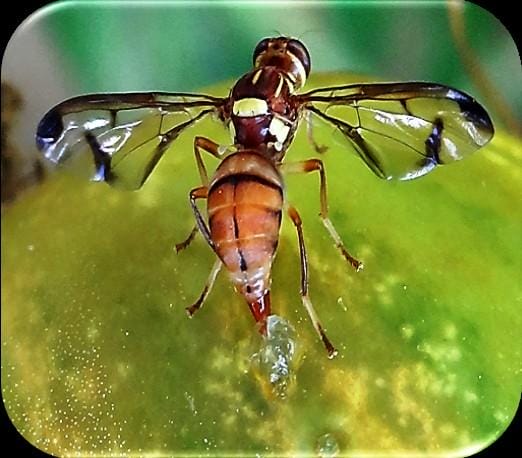
Fruit flies are among the most destructive pests in cucumber farming. Female flies lay eggs inside young fruits, and larvae feed internally.
Damage Symptoms
- Small puncture marks on fruits
- Rotting fruits
- Premature fruit drop
- Maggots inside fruits
Chemical Treatments
- Spray Malathion 50 EC @ 2 ml per litre with jaggery bait
- Spray Spinosad 45 SC @ 0.3 ml per litre
- Use protein bait traps mixed with insecticide
Precautions
- Remove infected fruits immediately
- Use bait sprays instead of blanket spraying
Whiteflies
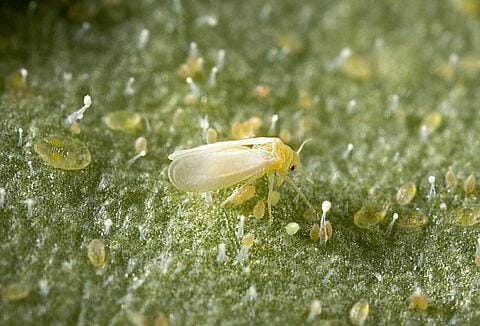
Whiteflies suck sap from leaves and also spread dangerous viral diseases that affect cucumber production.
Damage Symptoms
- Yellowing leaves
- Sticky honeydew
- Reduced plant vigor
- Virus transmission
Chemical Treatments
- Spray Buprofezin 25 SC @ 1 ml per liter
- Spray Diafenthiuron 50 WP @ 1 g per liter
- Spray Pyriproxyfen 10 EC @ 1 ml per liter
Precautions
- Rotate chemicals to avoid resistance
- Avoid excessive nitrogen fertilizers
5. Thrips
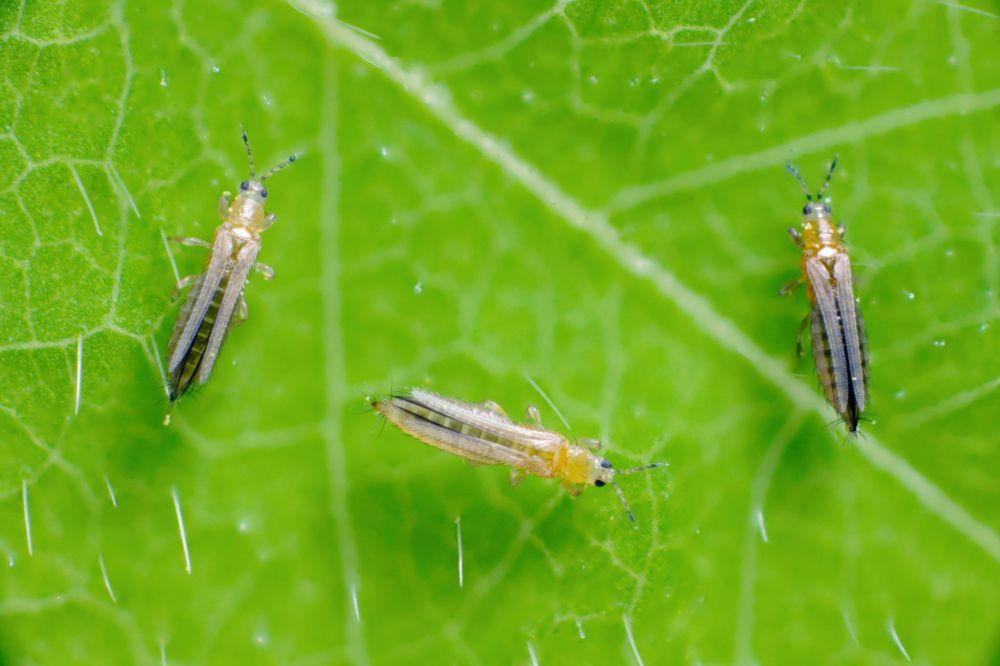
Thrips damage cucumber plants by scraping leaf and flower tissues and sucking sap.
Damage Symptoms
- Silvery leaf patches
- Curling leaves
- Flower drop
- Poor fruit quality
Chemical Treatments
- Spray Fipronil 5 SC @ 1 ml per liter
- Spray Spinetoram 11.7 SC @ 0.5 ml per liter
- Spray Emamectin Benzoate 5 SG @ 0.4 g per liter
Precautions
- Spray when infestation first appears
- Ensure proper coverage under leaves
6. Spider Mites
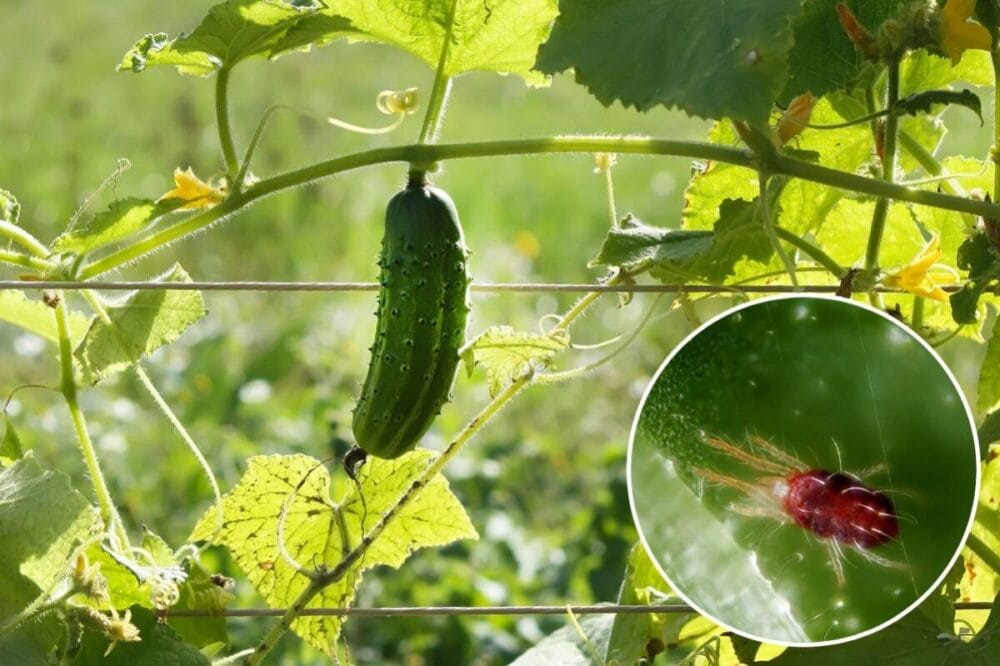
Spider mites become severe during hot and dry conditions and can rapidly damage cucumber foliage.
Damage Symptoms
- Yellow speckled leaves
- Fine webbing
- Dry foliage
- Reduced photosynthesis
Chemical Treatments
- Spray Abamectin 1.9 EC @ 0.5 ml per liter
- Spray Spiromesifen 22.9 SC @ 1 ml per liter
- Spray Propargite 57 EC @ 2 ml per liter
Precautions
- Maintain adequate irrigation
- Avoid water stress in crops
7. Leaf Miner

Leaf miner larvae feed inside cucumber leaves and reduce photosynthesis.
Damage Symptoms
- White zigzag trails on leaves
- Dry and damaged leaves
- Weak plant growth
- Premature leaf fall
Chemical Treatments
- Spray Cyromazine 25 WP @ 0.5 g per liter
- Spray Chlorantraniliprole 18.5 SC @ 0.4 ml per liter
- Spray Neem Oil 3–5 ml per liter
Precautions
- Remove infected leaves
- Avoid unnecessary pesticide sprays that kill beneficial insects
Important Safety Tips for Chemical Spraying
Always Follow These Guidelines
- Wear gloves, masks, and protective clothing
- Read pesticide labels carefully
- Avoid spraying during strong winds
- Spray during morning or evening hours
- Maintain the recommended dosage only
- Keep children and animals away during spraying
- Follow pre-harvest intervals strictly
Also Read: Why Cucumbers Are the Ultimate Summer Superfood for Staying Cool
Conclusion
Effective pest management is essential for successful cucumber cultivation. Early pest identification combined with proper chemical and integrated pest management practices can significantly improve crop health and productivity. Farmers should avoid excessive pesticide use and rotate chemicals to reduce the risk of resistance.
By using the right treatments at the right time, cucumber growers can protect their crops from damaging insects and achieve better yields with healthier fruits.